Creative Thinking Types Infographic: Choosing and Using Visual Tools the Right Way
What the Creative Thinking Types Infographic Is (And Why It Matters)
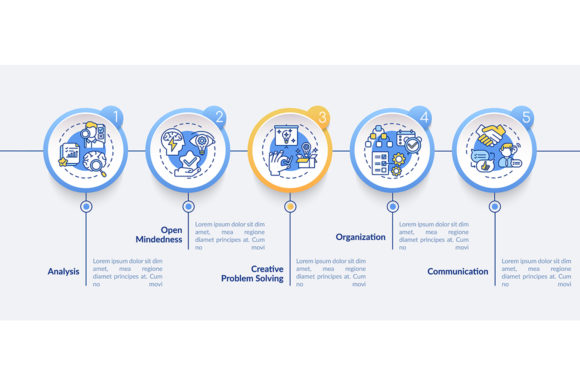
The Creative Thinking Types Infographic is a visual tool designed to break down different approaches to creative thinking. Whether you're brainstorming, presenting, or teaching, this infographic helps clarify complex concepts through a structured layout. It often includes process timelines, workflow layouts, and linear icons to visually represent stages of creativity. Available in formats like EPS, JPG, PNG, SVG, and AI, it's a versatile asset for professionals, educators, and creators who want to communicate ideas clearly and effectively.
Common Mistakes People Make with Creative Thinking Infographics
Many users jump into downloading or designing infographics without fully understanding how to use them. This can lead to poor results and wasted time. Here are some of the most common pitfalls—and how to avoid them.
1. Choosing the Wrong Format Without Checking Compatibility
One of the first mistakes is downloading a Creative Thinking Types Infographic without checking if the file format matches your software. For example, SVG files are great for web use, while AI files require Adobe Illustrator. If you try to open an AI file in a basic image editor, it may not display correctly.
Better approach: Before downloading, check what software you have and which formats it supports. If you're unsure, go for widely compatible options like PNG or JPG for general use, and SVG for scalable web graphics.
2. Overlooking the Design Style for Your Audience
Infographics come in many visual styles. Some are minimalist, others more detailed. A common oversight is choosing a design that doesn’t match your audience or brand. For example, a playful layout with cartoon icons may not suit a corporate presentation, just as a formal template might feel stiff for a classroom setting.
Better approach: Think about the context where you'll use the infographic. Match the tone and visual language to your audience. If you're presenting to executives, opt for clean lines and professional colors. For students or creative teams, a more expressive layout might work better.
3. Assuming One Size Fits All
Some people buy or download a Creative Thinking Types Infographic thinking it will work for every project. In reality, each infographic is designed with a specific structure in mind—like a 5-step process or a timeline. Trying to force it into a different use can make your message unclear.
Better approach: Look for infographics built for the exact number of steps or stages you need. If you're explaining a 4-phase process, don't try to stretch a 5-step layout. Instead, find one that matches your content structure or allows for easy editing.
4. Ignoring Scalability and Quality
Not all infographics are created equal when it comes to resolution and adaptability. Some images may look sharp on screen but pixelate when printed or scaled up. Vector formats like SVG or AI maintain quality at any size, making them ideal for both digital and print use.
Better approach: Always check if the file is vector-based if you plan to resize it. If not, make sure the resolution is high enough (at least 300 DPI) for print or large-format displays. This avoids blurry visuals and keeps your presentation looking professional.
5. Failing to Customize for Clarity
Many users download an infographic and use it as-is, even when it doesn’t clearly match their message. This can confuse your audience or dilute your point. For example, using a workflow layout that doesn’t align with your actual process can mislead viewers.
Better approach: Choose a template that allows easy editing. Most Creative Thinking Types Infographics come in editable formats like AI or EPS, so you can tweak colors, labels, and layout to fit your specific message. Don’t be afraid to adjust icons or text to better reflect your ideas.
What to Check Before You Download or Buy
Before you commit to a Creative Thinking Types Infographic, take a few minutes to verify these key points:
- File formats included: Make sure you get the formats you can actually use.
- Editability: Check if you can modify text, colors, and layout without breaking the design.
- Scalability: Confirm it will look sharp when enlarged or printed.
- License type: Know whether it's for personal use, commercial use, or requires attribution.
- Design compatibility: Ensure the style fits your project’s tone and audience.
How to Use Creative Thinking Infographics Effectively
Once you’ve selected the right infographic, here’s how to make the most of it:
- Align with your message: Use the infographic to support your content, not replace it. Add context and explanation around the visual.
- Simplify complex ideas: Infographics work best when they make something easier to understand—not more confusing.
- Test on different screens: If it's for digital use, check how it looks on mobile, tablet, and desktop.
- Add your branding: Replace default colors and fonts with your brand’s palette to maintain consistency.
- Use it as a guide: Don’t force your content into a template that doesn’t fit. Adjust the infographic or find a better match.
Final Thoughts
The Creative Thinking Types Infographic is a powerful tool when used correctly. It can streamline your presentations, clarify complex processes, and engage your audience visually. But like any tool, its effectiveness depends on how well you understand and apply it. By avoiding common mistakes and making thoughtful choices, you can ensure your visuals support your message instead of muddying it. Take the time to evaluate your needs, check compatibility, and customize your design for the best results.