Six Step Hexagon Infographic 3D Style: A Modern Visual Tool for Clear Communication
In today’s fast-paced digital world, where attention spans are short and information overload is common, the way we present data matters more than ever. The Six Step Hexagon Infographic 3D Style has emerged as a powerful design solution for professionals seeking clarity, structure, and visual appeal in their communication materials. Whether it's for a corporate presentation, marketing campaign, or educational content, this infographic format offers a clean, modern approach to conveying complex processes in an engaging and digestible way.
What Makes the Six Step Hexagon Infographic 3D Style Unique?
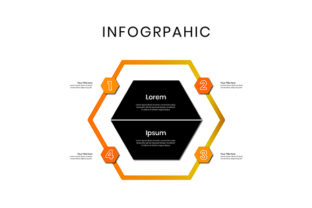
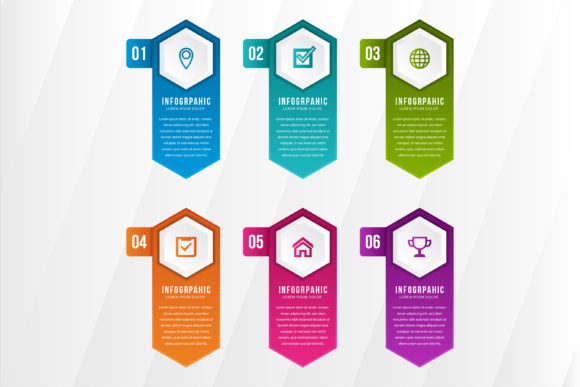
The Six Step Hexagon Infographic 3D Style is a vector-based design template that organizes information into six interconnected hexagonal segments. Each hexagon represents a distinct phase or idea within a broader process, allowing for a seamless visual flow. The use of 3D elements enhances depth and realism, making the design more dynamic and visually appealing.
This style is especially effective for timelines, project roadmaps, business strategies, and creative workflows. Its modular layout supports both linear and cyclical narratives, giving designers flexibility in how they structure content. The hexagon shape itself is symbolic—often associated with efficiency, balance, and collaboration—making it a fitting choice for business and creative applications alike.
Why the Six Step Format Resonates with Modern Audiences
As digital consumption habits evolve, users expect content to be not only informative but also easy to scan and visually engaging. The six-step format aligns well with cognitive psychology principles that suggest humans can more easily process information in chunks of five to seven items. By breaking down complex processes into six manageable steps, this infographic style supports better comprehension and retention.
Moreover, the rise of remote work and digital collaboration has increased the demand for clear, visual communication tools. Teams across industries—from marketing and product development to education and healthcare—rely on visual aids like the hexagon infographic to align stakeholders, explain strategies, and track progress.
How This Design Style Fits Into Current Trends
The Timeline Infographic Design Template with Hexagon 6 Option reflects several key trends in graphic design and digital communication:
- Minimalist yet impactful: Clean lines, ample white space, and a focus on essential elements make this design style ideal for modern aesthetics.
- 3D graphics in 2D layouts: The use of subtle 3D effects adds depth without overwhelming the viewer, aligning with current preferences for realism and interactivity in digital content.
- Mobile responsiveness: With more content being consumed on smartphones and tablets, the hexagon layout adapts well to responsive web design and mobile-friendly presentations.
- Data storytelling: As businesses shift from raw data reporting to narrative-driven insights, the hexagon format offers a natural structure for guiding the viewer through a story or process.
Practical Applications Across Industries
One of the most compelling aspects of the Six Step Hexagon Infographic 3D Style is its versatility. Here are a few real-world applications across different sectors:
- Marketing: Use it to outline a six-phase customer journey, from awareness to loyalty, helping teams visualize touchpoints and optimize engagement strategies.
- Education: Teachers and instructional designers can break down complex subjects—like the scientific method or historical events—into manageable steps that support student learning.
- Project Management: Teams can map out a project timeline using each hexagon to represent a key milestone, ensuring everyone stays aligned and informed.
- Product Development: From ideation to launch, the six-step format works well for illustrating product life cycles or innovation roadmaps.
These examples show how the Timeline Infographic Design Template with Hexagon 6 Option isn’t just a design trend—it’s a practical tool that supports real-world problem-solving and strategic thinking.
Designing with Purpose: Choosing the Right Elements
When working with the hexagon infographic template, it’s important to consider the visual elements that will enhance clarity and engagement. Here are a few best practices:
- Color coding: Assign a distinct color to each hexagon to differentiate steps and improve visual hierarchy. The use of orange, for example, can add warmth and energy to the design.
- Icons and symbols: Incorporate relevant icons or symbols within each hexagon to reinforce the meaning of each step without relying solely on text.
- Typography: Choose modern, clean fonts that align with the overall tone of your brand or message. Avoid overcrowding the hexagons with too much text.
- Layering effects: Utilize subtle shadows or gradients to enhance the 3D effect, but keep it balanced to maintain readability and professionalism.
By thoughtfully combining these elements, designers can create a visually cohesive and informative infographic that resonates with their audience.
Why Businesses Are Investing in Vector-Based Infographics
As digital marketing and branding continue to evolve, businesses are increasingly turning to vector graphics for their scalability and adaptability. Unlike raster images, vectors maintain quality at any size, making them ideal for everything from website banners to printed brochures. The Six Step Hexagon Infographic 3D Style, being a vector-based template, offers the flexibility to be reused across multiple platforms without compromising quality.
Additionally, vector templates like this one are often easier to edit and customize, allowing non-designers to tweak colors, labels, and layouts without requiring advanced design software. This accessibility makes them a popular choice among small businesses, entrepreneurs, and content creators who need high-quality visuals without the overhead of custom design work.
How to Get the Most Out of This Infographic Template
Whether you’re a designer, marketer, educator, or business owner, here are some tips to maximize the impact of the Six Step Hexagon Infographic 3D Style:
- Start with a clear narrative: Before adding visuals, define the core message or process you want to communicate. Each hexagon should represent a meaningful step in that journey.
- Keep it consistent: Use uniform colors, fonts, and icon styles across all hexagons to maintain a cohesive look and feel.
- Test for readability: Ensure text is legible at different sizes, especially if the infographic will be used in presentations or on mobile devices.
- Pair with supporting content: Use the infographic as a visual anchor in a larger document, slide deck, or webpage. Provide additional context or data in accompanying text or captions.
By following these guidelines, you’ll ensure your infographic not only looks professional but also serves its intended purpose effectively.
A Design Resource for the Modern Creator
The Six Step Hexagon Infographic 3D Style is more than just a template—it’s a reflection of how modern creators approach visual communication. As part of the growing category of Graphic Resources, this template empowers users to present information in a way that’s both aesthetically pleasing and functionally effective. Whether you’re designing a corporate report, a marketing asset, or a personal project, this infographic style offers a versatile and scalable solution.
Its relevance continues to grow as more professionals recognize the value of visual storytelling in a data-driven world. By embracing tools like the Timeline Infographic Design Template with Hexagon 6 Option, creators can better connect with their audiences, simplify complexity, and elevate their message in a crowded digital landscape.