Effective Quarantine and Self-Isolation Tips for Staying Safe at Home
Understanding Quarantine and Self-Isolation
Quarantine and self-isolation are preventive measures designed to limit the spread of infectious diseases. While often used interchangeably, the two terms refer to different situations. Quarantine applies to individuals who have been exposed to a contagious illness but are not yet showing symptoms. Self-isolation, on the other hand, is for those who are already experiencing symptoms or have tested positive for an illness.
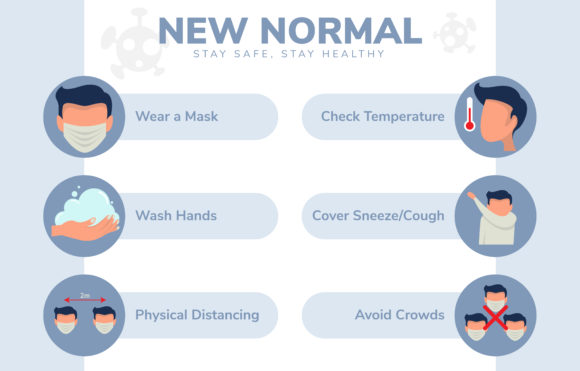
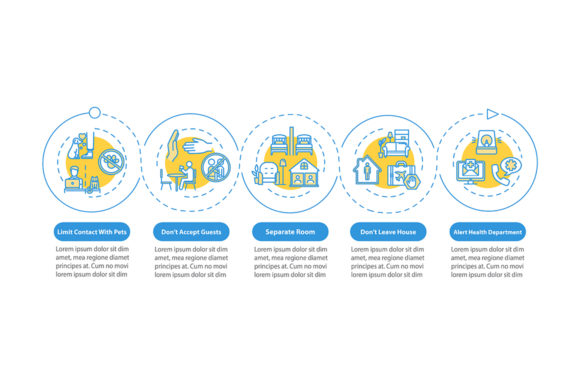
Both practices are crucial in controlling outbreaks and protecting public health. With the rise of remote work and digital communication, staying home no longer means being disconnected. Visual tools like quarantine, self-isolation tips vector infographic templates can help individuals and organizations communicate key guidelines clearly and effectively.
Why People Are Interested in Quarantine and Self-Isolation Tips
Interest in quarantine and self-isolation strategies has grown significantly in recent years, especially during global health crises. People seek these tips for various reasons:
- To protect themselves and their loved ones from illness
- To comply with health mandates or workplace policies
- To manage mental and emotional well-being during extended stays at home
- To maintain productivity while working remotely
Visual presentation tools, such as staying home presentation design elements, help simplify complex health protocols and make them more accessible to a broader audience.
Key Benefits of Following Quarantine and Self-Isolation Guidelines
Adhering to quarantine and self-isolation tips can significantly reduce the risk of disease transmission. Some of the primary benefits include:
- Protecting vulnerable populations such as the elderly and those with pre-existing conditions.
- Reducing strain on healthcare systems by preventing surges in cases.
- Maintaining personal health by allowing the body time to recover without spreading illness.
- Supporting community safety through responsible behavior during outbreaks.
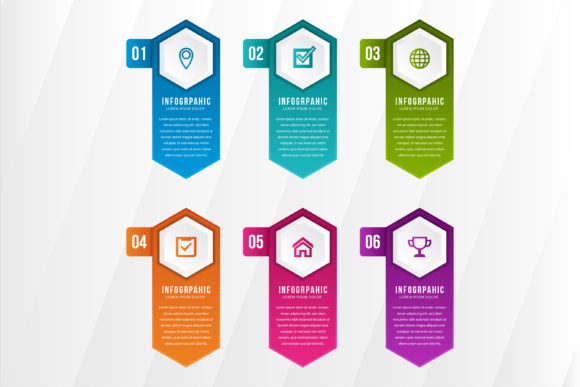
Data visualization tools like process timeline charts can help individuals track their quarantine period and understand the progression of their isolation steps.
Tradeoffs and Considerations
While quarantine and self-isolation offer clear health benefits, they also come with challenges:
- Social isolation can impact mental health and emotional well-being.
- Disruption of daily routines may affect productivity and personal responsibilities.
- Financial implications for those unable to work remotely.
It's important to weigh these factors when deciding how strictly to follow quarantine or isolation protocols. For some, especially those at higher risk of complications, the benefits far outweigh the drawbacks.
When Quarantine and Self-Isolation Tips Are a Strong Fit
Quarantine and self-isolation are most effective in the following situations:
- After traveling to or from high-risk areas where disease transmission is likely.
- After close contact with someone who has tested positive for a contagious illness.
- When experiencing symptoms of illness and awaiting test results.
- When diagnosed with a contagious condition and advised to isolate by a healthcare provider.
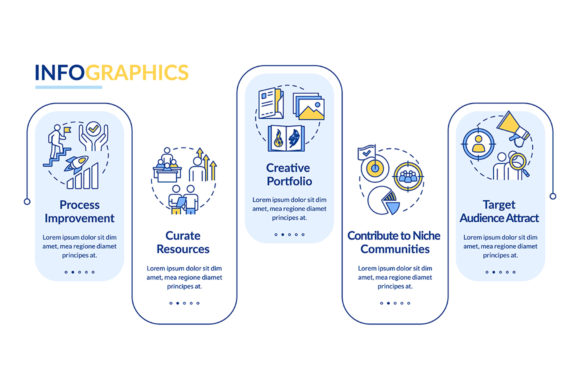
In these cases, using a workflow layout with linear icons can help individuals visualize the necessary steps and stay on track with their isolation plan.
When Alternatives May Be Worth Considering
While quarantine and self-isolation are essential in many situations, alternatives may be appropriate depending on individual circumstances:
- Vaccination and immunity can reduce the need for strict isolation measures.
- Medical consultation may offer tailored advice based on personal health history.
- Testing availability allows for quicker confirmation of infection status, potentially shortening quarantine periods.
Decisions should be made in consultation with public health guidelines and medical professionals to ensure safety without unnecessary restrictions.
Practical Decision-Making Insights
When evaluating whether to follow quarantine or self-isolation tips, consider the following questions:
- Have I been exposed to someone with a confirmed case?
- Am I experiencing symptoms or awaiting test results?
- What are the current public health recommendations in my area?
- Do I live with or care for individuals who are at higher risk?
- Am I able to work or manage responsibilities from home?
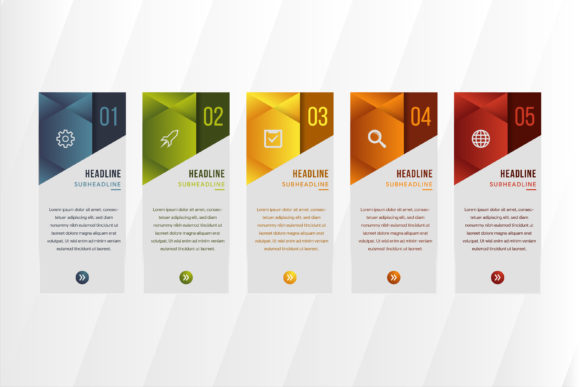
Using a data visualization with 5 steps can help break down the decision-making process into manageable parts, making it easier to take appropriate action.
How to Make the Most of Your Quarantine or Isolation Period
Whether you're isolating for a few days or several weeks, planning ahead can help you stay healthy and productive. Here are some practical strategies:
- Prepare a routine that includes work, rest, exercise, and social interaction via digital means.
- Stock up on essentials like food, medications, and hygiene products to minimize disruptions.
- Stay informed about health guidelines without over-consuming news that may increase anxiety.
- Connect with others through video calls, messaging, or virtual events to maintain social ties.
- Monitor your health and reach out to a healthcare provider if symptoms worsen.
Visual tools like quarantine, self-isolation tips vector infographic templates can serve as daily reminders of best practices and help reinforce healthy habits.
Conclusion: Is Quarantine and Self-Isolation Right for You?
Quarantine and self-isolation are effective tools for protecting personal and public health. Whether these measures are right for you depends on your exposure risk, health status, and ability to manage the associated challenges. By using structured resources like process timeline charts and staying home presentation design elements, individuals and organizations can make informed decisions and communicate guidelines clearly.
If you're unsure whether to quarantine or isolate, consult local health authorities or a medical professional. Remember, the goal is not only to protect yourself but also to contribute to the broader effort of disease prevention and community well-being.