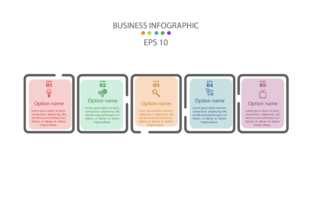
Mastering Infographic Template Design with 5 Steps: A Practical Guide for Professionals and Creators
Infographic template design is a critical skill for anyone involved in visual communication, marketing, education, or content creation. Whether you're a small business owner crafting promotional materials or a blogger simplifying complex data, having a structured approach to infographic design can streamline your workflow and enhance the quality of your output. The infographic template design with 5 steps offers a clear, repeatable framework that helps you create visually compelling and information-rich graphics without reinventing the wheel each time.
Understanding the 5-Step Infographic Template Design Process
The infographic template design with 5 steps is not just a checklist—it's a strategic method that aligns with real-world project needs. Each step builds on the previous one, ensuring that the final product is not only visually appealing but also effective in delivering the intended message. Here's how it breaks down:
- Define the Purpose and Audience: Begin by identifying the goal of your infographic and who will be viewing it. This step ensures that your design decisions are audience-focused and message-driven.
- Structure the Content: Organize your data, text, and visuals into a logical flow. Use headings, subheadings, and visual cues to guide the viewer through the information seamlessly.
- Choose a Template Framework: Select a base layout that supports your content structure. Whether it's a timeline, comparison chart, or process diagram, the right framework can save time and improve clarity.
- Customize the Design Elements: Apply your brand colors, fonts, and imagery to the template. This step ensures consistency across your materials and reinforces brand recognition.
- Review and Refine: Test the infographic for readability, accuracy, and impact. Make adjustments as needed to ensure clarity and visual balance.
How Infographic Template Design Fits Into Real Workflows
The beauty of the infographic template design with 5 steps lies in its flexibility. It can be integrated into various stages of a project or creative process. For instance, during the planning phase of a marketing campaign, you can use a standardized infographic template to visualize campaign metrics or customer personas. In the execution stage, templates can help quickly turn reports or survey data into shareable content. Even after a project concludes, these templates can be repurposed to summarize outcomes or lessons learned.
For educators and trainers, this method can be applied to create instructional materials that simplify complex subjects. Bloggers and content creators can maintain a consistent visual style across multiple posts, improving user experience and brand identity. Entrepreneurs pitching to investors can use well-structured infographics to communicate business models or growth strategies clearly and concisely.
Integration with Tools and Platforms
To get the most out of infographic template design with 5 steps, it's important to consider how it interacts with the tools and platforms you already use. Many infographic design tools like Canva, Visme, and Adobe Express offer pre-built templates that align with this structured approach. These platforms allow for easy customization and collaboration, making it simple to share templates across teams or departments.
For those using project management tools like Trello or Asana, infographic templates can be integrated into workflows as visual deliverables or progress trackers. Similarly, content management systems (CMS) such as WordPress can benefit from consistent infographic designs that enhance SEO and reader engagement. When combined with analytics platforms, infographics can also serve as data visualization tools that help stakeholders quickly interpret performance metrics.
Practical Implementation Tips for Long-Term Use
While the 5-step approach provides a solid foundation, long-term success with infographic templates requires thoughtful implementation. Here are some practical tips to ensure your templates remain effective and adaptable:
- Build a Template Library: Maintain a collection of approved templates categorized by type (e.g., comparison, process, statistics). This makes it easier for team members to find and use the right format quickly.
- Standardize Branding Elements: Embed your brand’s color palette, fonts, and logo placement into each template to maintain consistency across all visuals.
- Document the Workflow: Create internal documentation or video tutorials explaining how to use each template. This is especially helpful for onboarding new team members or freelancers.
- Establish Quality Control: Set up a review process to ensure all infographics meet design and content standards before publication.
- Update Templates Periodically: As design trends evolve and new data formats emerge, refresh your templates to stay current and relevant.
Maximizing Efficiency Without Sacrificing Quality
One of the main advantages of using the infographic template design with 5 steps is that it balances efficiency with quality. By reducing the time spent on layout and formatting, creators can focus more on content accuracy and visual storytelling. However, efficiency should never come at the cost of clarity or professionalism.
To maintain high standards, always start with a clear content outline before diving into design. Avoid overcrowding your infographic with too much information—use whitespace strategically and prioritize key messages. Also, consider accessibility by ensuring sufficient contrast between text and background elements and using alt text when publishing online.
Using Infographic Templates Across Different Use Cases
The versatility of the infographic template design with 5 steps makes it suitable for a wide range of applications. Here are a few examples of how it can be used effectively:
- Marketing Campaigns: Use templates to create social media visuals, email headers, and landing page graphics that align with campaign messaging.
- Internal Reporting: Turn quarterly reports or employee surveys into digestible infographics for team meetings or executive summaries.
- Educational Materials: Design lesson summaries, study guides, or visual aids that help students grasp complex topics more easily.
- Product Launches: Create product comparison charts, feature highlights, or roadmap visuals to support sales and customer onboarding.
- Content Marketing: Repurpose blog posts or whitepapers into infographics that can be shared across platforms and repurposed for presentations or lead magnets.
Final Thoughts on Implementing the 5-Step Infographic Design Method
Adopting the infographic template design with 5 steps isn't just about saving time—it's about creating a sustainable, scalable system for visual communication. Whether you're a solo creator or part of a larger team, this method empowers you to produce high-quality infographics consistently and efficiently.
By integrating this approach into your existing workflows, aligning it with your tools and branding, and maintaining a focus on usability and clarity, you'll not only improve your own productivity but also enhance how your audience engages with your content. As with any process, the key is continuous refinement—stay open to feedback, adapt your templates as needed, and always prioritize the end user's experience.