Timeline Infographic Google Slides: Choosing and Using the Right Presentation Tool
What Is a Timeline Infographic Google Slides Template?
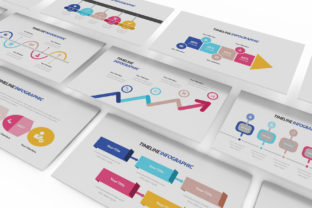
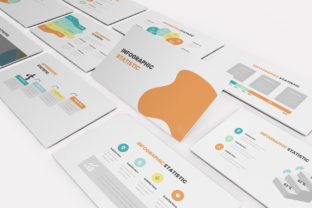
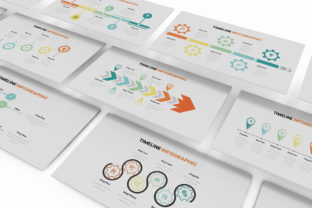
A Timeline Infographic Google Slides template is a ready-made presentation tool designed to help users visually represent events, milestones, or processes in a clear, chronological format. It’s especially useful for professionals, educators, marketers, and entrepreneurs who need to communicate timelines in a visually engaging way without spending hours designing slides from scratch.
These templates typically come with 30 unique slides, a clean and modern design, and support for Full HD resolution (1920x1080). They are built using only free fonts, include a help guide, and allow users to copy and paste preferred slides directly into their projects. However, the images used are usually not included, which can sometimes lead to confusion or unexpected work during customization.
Common Mistakes When Choosing or Using Timeline Infographic Templates
While Timeline Infographic Google Slides templates offer a convenient way to build professional presentations, several common mistakes can reduce their effectiveness or lead to frustration. Being aware of these pitfalls can help you make smarter choices and get more value from your template.
1. Assuming the Template Includes All Visual Assets
One of the most frequent misunderstandings is expecting that the template includes all images shown in the preview. In reality, many templates use placeholder images that are not part of the package. This oversight can delay your project timeline as you scramble to find suitable replacements.
Better approach: Always check the template description to confirm what is and isn’t included. If images aren’t included, plan ahead by sourcing royalty-free or licensed visuals from platforms like Unsplash or Pexels.
2. Overlooking the Need for Customization
Some users assume that a template will work perfectly out of the box. While Timeline Infographic Google Slides templates are designed to be user-friendly, they often require customization to match your brand colors, fonts, or message.
Better approach: Review the template’s color scheme and layout before downloading. Make sure it aligns with your brand identity or can be easily adjusted to do so. Don’t hesitate to modify slide elements to better fit your content and audience.
3. Ignoring the Help Guide or Instructions
Many templates come with a help guide or instructions for use. Skipping this step can lead to missed opportunities for customization or confusion about how to access certain features like animations or transitions.
Better approach: Take a few minutes to read through the provided documentation. It often includes tips on how to duplicate slides, adjust color themes, or apply transitions effectively—saving you time and improving the final output.
4. Using a Template That’s Too Complex or Too Basic
Another common mistake is choosing a template that doesn’t match your skill level or the complexity of your presentation. A template with too many effects can be overwhelming, while one that’s too minimal may not provide enough visual support for your message.
Better approach: Evaluate your comfort level with Google Slides and the nature of your content. If you’re new to presentations, opt for a clean, easy-to-edit template like Timeline Infographic Google Slides. If you're more experienced, you might choose a design with more advanced features but ensure you understand how to use them.
How These Mistakes Impact Your Presentation
Making any of the above mistakes can affect the quality, clarity, and professionalism of your presentation. For example, using mismatched images or fonts can make your slides look unpolished. Not understanding how to use transitions or animations properly can distract your audience or make your presentation feel amateurish.
From a time and cost perspective, overlooking customization needs or missing assets can extend your preparation time and potentially lead to rushed, less effective slides. In professional settings, such issues can affect how your audience perceives your message, your brand, or even your credibility.
What to Check Before Downloading or Using a Timeline Infographic Template
To avoid disappointment and ensure your template works well for your needs, consider the following checklist:
- Compatibility: Confirm that the template is compatible with Google Slides and your version of the software.
- License: Ensure the template uses only free fonts and that any included elements (like icons or illustrations) are properly licensed for your intended use.
- Customization options: Look for templates that allow easy editing of colors, fonts, and layout structure.
- Image inclusion: Check whether images are included or if you’ll need to source them separately.
- Support or documentation: See if the creator offers support or a clear help guide to assist with setup and customization.
Practical Tips for Getting the Most from Your Timeline Infographic Google Slides
Once you’ve selected a high-quality template like Timeline Infographic Google Slides, the following strategies can help you make the most of it:
- Use consistent branding: Match the template’s color palette and fonts to your brand guidelines. If needed, edit the master slides to ensure consistency across all your content.
- Keep it simple: Avoid overloading slides with too much text or too many visual elements. A timeline should guide your audience, not confuse them.
- Focus on storytelling: Use the timeline to tell a story—whether it’s the history of your company, the stages of a project, or the evolution of a product.
- Test transitions and animations: While these can enhance your presentation, they should be used sparingly and only when they support the message.
- Preview before presenting: Always preview your slides in presentation mode to catch any formatting issues or inconsistencies.
Final Thoughts
A Timeline Infographic Google Slides template can be a powerful tool for creating visually appealing, organized presentations quickly. However, its effectiveness depends on how well you understand its features, limitations, and how you adapt it to your specific needs.
By avoiding common mistakes—like assuming all assets are included or skipping the help guide—you’ll not only save time but also create a more polished and professional result. Whether you're a marketer preparing a client proposal, a teacher explaining a historical sequence, or an entrepreneur outlining your business roadmap, choosing the right template and using it wisely can make all the difference.