Human Illustration and Infographic: Turning Complex Ideas into Visual Stories
What Exactly Are Human Illustration and Infographic Design?
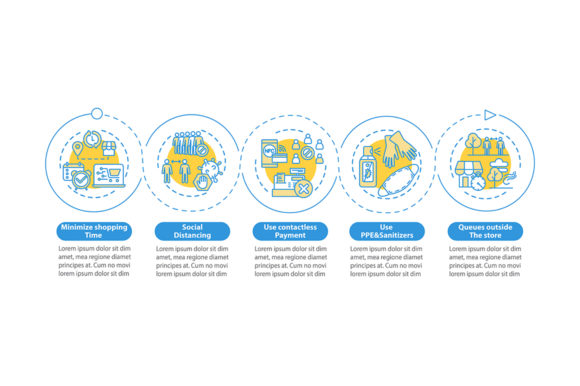
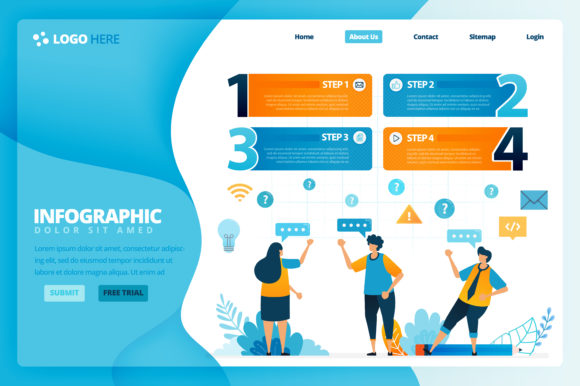
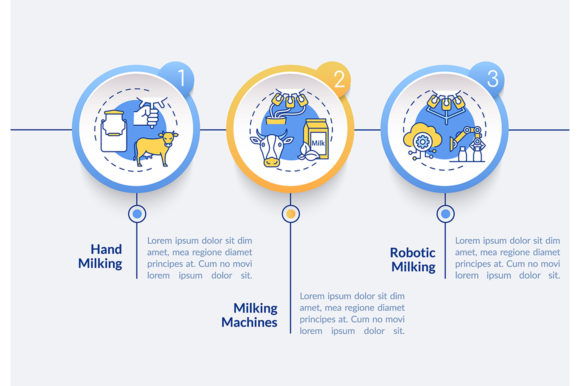
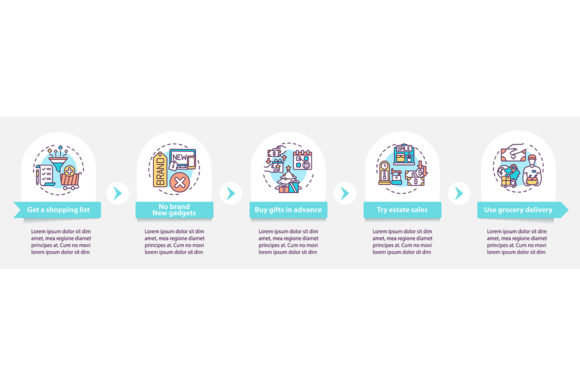
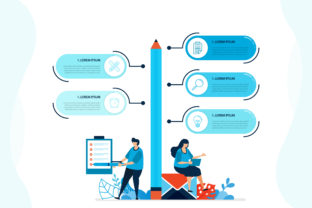
Human Illustration and Infographic design is a creative approach that blends visual storytelling with data presentation. It uses illustrated human figures, flat vector graphics, and simplified visual elements to explain processes, ideas, or statistics in a more engaging and digestible way. Whether you're designing a landing page, a mobile app interface, or a printed brochure, this style helps communicate messages clearly while maintaining a friendly, relatable tone.
Where Can This Design Style Make a Real Impact?
Imagine launching a new online course platform. Instead of using generic stock photos or abstract icons, you use human illustrations to show people learning, collaborating, and growing. That visual connection builds trust and makes the experience feel more personal. This is just one example of how Human Illustration and Infographic can be applied across different industries and formats.
Here are a few real-world use cases where this design style shines:
- Educational websites and apps – Simplifying complex learning paths with illustrated characters guiding users through steps.
- Healthcare and wellness services – Explaining treatment processes or fitness routines using visual narratives.
- HR and recruitment platforms – Depicting workplace diversity, onboarding flows, or company culture in a way that feels inclusive and modern.
- Marketing and SaaS landing pages – Showcasing product benefits or customer journeys with flat vector illustrations that match brand tone.
- Event promotions and flyers – Highlighting speakers, schedules, or attendee profiles with stylized human figures.
How Different Audiences Benefit from Human-Centric Visuals
One of the biggest strengths of Human Illustration and Infographic is its versatility. A startup founder looking to explain their product can use it to show a customer interacting with an app. Meanwhile, a teacher creating an online course might use illustrated characters to guide students through lessons in a visually engaging way.
For example, a financial literacy nonprofit might use illustrated personas to represent different financial situations—like a recent graduate, a small business owner, or a retiree. These visuals help audiences see themselves in the content, making the information more relatable and easier to absorb.
Choosing the Right Format for Your Needs
Human Illustration and Infographic design is often delivered in vector formats like EPS and JPEG, which makes them easy to scale for different uses. Whether you're building a responsive website, designing a mobile app screen, or printing a poster for a workshop, having access to high-quality vector templates ensures your visuals stay sharp and professional.
Here’s a quick breakdown of where each format shines:
- EPS (Encapsulated PostScript) – Best for print materials like flyers, brochures, and posters due to its high resolution and scalability.
- JPEG – Ideal for digital use on websites, banners, and social media graphics where fast loading is key.
- Flat vector templates – Perfect for web and app designers who need editable, customizable visuals that match brand colors and layouts.
Key Considerations Before You Start
Before diving into Human Illustration and Infographic design, it’s important to understand your audience and purpose. Are you aiming for a playful, modern look or something more professional and clean? Do your visuals need to support data-heavy content, or are they meant to guide users through a process?
Also, consider how much customization you’ll need. Some vector templates come with pre-designed characters and scenes, while others offer more modular elements that you can mix and match. If you're not a designer yourself, look for templates that are easy to edit or consider working with a graphic designer who specializes in this style.
Why This Style Works So Well for Business and Education
Businesses and educators often struggle to present information in a way that's both informative and engaging. Human Illustration and Infographic solves this by combining clarity with emotional connection. A well-designed infographic can explain a complex process in seconds, while a human illustration adds a personal touch that text alone can't achieve.
For instance, a university admissions page might use illustrated students and professors to show what campus life looks like. Or a SaaS company might use a series of illustrated steps to guide new users through setup. These visuals make the experience more inviting and reduce the cognitive load on the viewer.
When to Think Twice About This Design Approach
While Human Illustration and Infographic has many benefits, it’s not always the best fit. In highly formal or technical environments—like legal documentation or scientific research—you may need a more neutral or data-driven visual style. Also, if your brand identity leans toward realism or photography, illustrated characters might feel out of place.
Another thing to watch for is overuse. Too many illustrated characters or overly complex scenes can distract from the main message. The goal is to enhance understanding, not overwhelm the viewer with visual noise.
How to Start Learning and Applying This Style
If you're interested in incorporating Human Illustration and Infographic into your work, there are several paths to explore. Many online platforms offer ready-to-use vector templates in EPS and JPEG formats, which are perfect for non-designers. These templates often come with multiple character poses, backgrounds, and scene variations, making it easy to build custom visuals without starting from scratch.
For those who want to create their own illustrations, tools like Adobe Illustrator, Figma, and Canva provide intuitive interfaces and built-in templates. You can also take online courses focused on flat design, vector illustration, and infographic creation to build your skills over time.
Final Thoughts: Design That Speaks to People
Human Illustration and Infographic is more than just a design trend—it's a way to make information more approachable and memorable. Whether you're designing a mobile app tutorial, a landing page for a new service, or a printed flyer for a local workshop, this style helps you connect with your audience in a meaningful way.
By using illustrated people to guide, explain, and engage, you're not just presenting information—you're telling a story. And in today's fast-paced digital world, that kind of visual storytelling can make all the difference.