Infection Prevention and Treatment: Practical Guidance for Better Outcomes
Understanding Infection Prevention and Treatment
Infection prevention and treatment encompasses a range of practices, tools, and strategies designed to stop infections from spreading and to manage them effectively when they occur. This is especially important in healthcare settings, but also applies to everyday environments like schools, offices, and homes. Whether you're a healthcare professional, a small business owner, or someone looking to improve personal hygiene practices, understanding the right approaches to infection control can make a significant difference in health outcomes and operational efficiency.
Many people are drawn to infection prevention and treatment resources because of their relevance to public health, safety, and cost-effective care. However, navigating the available tools—like vector infographics, presentation templates, and workflow layouts—can be confusing if you're not familiar with what to look for or how to use them correctly.
Common Mistakes When Choosing Infection Prevention Resources
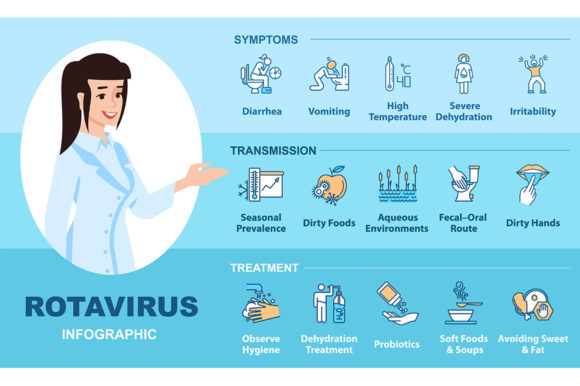
One of the most frequent oversights is selecting presentation materials without considering their clarity or suitability for the intended audience. For example, a healthcare educator might download an Infection Prevention and Treatment vector infographic template expecting a clean, professional layout, only to discover that the icons are too abstract or the color scheme is difficult to interpret.
Another common issue is overlooking file compatibility. A ZIP file containing EPS, JPG, and other formats might seem versatile, but if the user isn’t familiar with editing vector graphics, they may struggle to customize the design for their specific needs. This can lead to wasted time or a poorly executed presentation that fails to communicate key infection control messages effectively.
How Mistakes Impact Results
Choosing the wrong template or infographic can reduce the effectiveness of your message. If a workflow layout is cluttered or uses unclear icons, it may confuse rather than guide your audience. Similarly, a timeline chart that lacks logical flow can misrepresent the steps in infection control processes, leading to misunderstandings or improper implementation.
From a professional standpoint, unclear visuals can reflect poorly on your credibility—especially in healthcare or educational settings where accuracy and clarity are essential. Inaccurate or misleading visuals may also cause confusion among staff or clients, potentially leading to lapses in hygiene practices or missed steps in treatment protocols.
How to Avoid These Mistakes
Start by clearly defining your audience and the message you want to convey. If you're creating a presentation for medical staff, choose a design that supports technical accuracy and includes relevant icons and terminology. For a general audience, opt for simpler visuals that highlight key steps in infection prevention without overwhelming viewers with detail.
Before downloading or purchasing any template, check the included file types and ensure they align with your software capabilities. If you're not comfortable editing EPS files, look for templates that also include editable JPG or PNG versions. Preview the layout if possible, and read user reviews or descriptions carefully to avoid surprises.
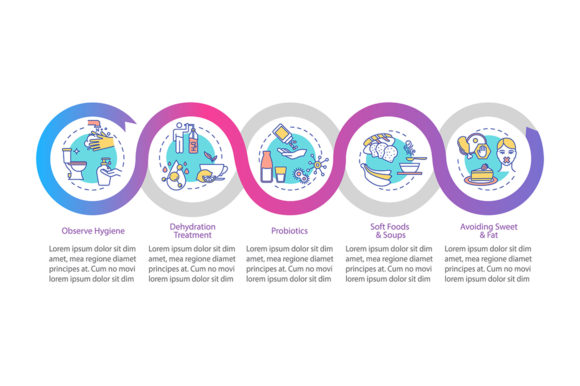
Consider the structure of the infographic or chart. A process timeline with five clear, labeled steps is more effective than one that's overly complex or lacks visual hierarchy. Make sure each step flows logically to the next, and that icons are intuitive and consistent.
Realistic Examples and Better Approaches
Imagine a clinic trying to improve staff compliance with hand hygiene protocols. They download a vector infographic that shows a five-step handwashing process, but the steps are too small and the icons are ambiguous. As a result, staff members skip steps or misinterpret the timing needed for proper hand sanitization.
A better approach would be to select a template with large, clearly labeled steps and icons that match standard hygiene guidelines. Adding brief descriptions or tips next to each step can also enhance understanding. This small change can lead to better adherence and fewer infection-related incidents.
Another example involves a small business owner who wants to educate employees on infection control during flu season. They choose a presentation template that looks visually appealing but doesn't include editable text fields or scalable graphics. When they try to customize it, the layout becomes distorted. A better choice would be a template that offers flexibility in both design and content editing, allowing them to tailor the message without compromising visual quality.
What to Check Before Deciding
Before selecting any infection prevention and treatment resource—especially digital templates or infographics—consider the following:
- Clarity of visual elements: Are the icons and charts easy to understand at a glance?
- Customizability: Can you edit the template to suit your branding or specific message?
- File formats: Does it include versions that work with your design software or presentation tools?
- Logical flow: Does the layout guide the viewer through the process in a natural, easy-to-follow way?
- User feedback: If available, check reviews or examples from other users to gauge effectiveness and usability.
Also, make sure the resource aligns with current health guidelines and standards. For instance, if you're presenting on infection control protocols, ensure the steps reflect the latest recommendations from reputable health organizations.
Conclusion: Making Smart Choices
Whether you're using an Infection Prevention and Treatment vector infographic template or designing a custom workflow layout, the goal is to enhance understanding and promote better health practices. By avoiding common mistakes—like choosing the wrong format, overlooking clarity, or ignoring customization options—you can create more effective, engaging, and professional materials.
Remember, the right tools not only improve communication but also support safer, more efficient practices. Take the time to evaluate your options, test templates before finalizing your choice, and always prioritize clarity and usability in your design decisions.